التنقل في الموقع



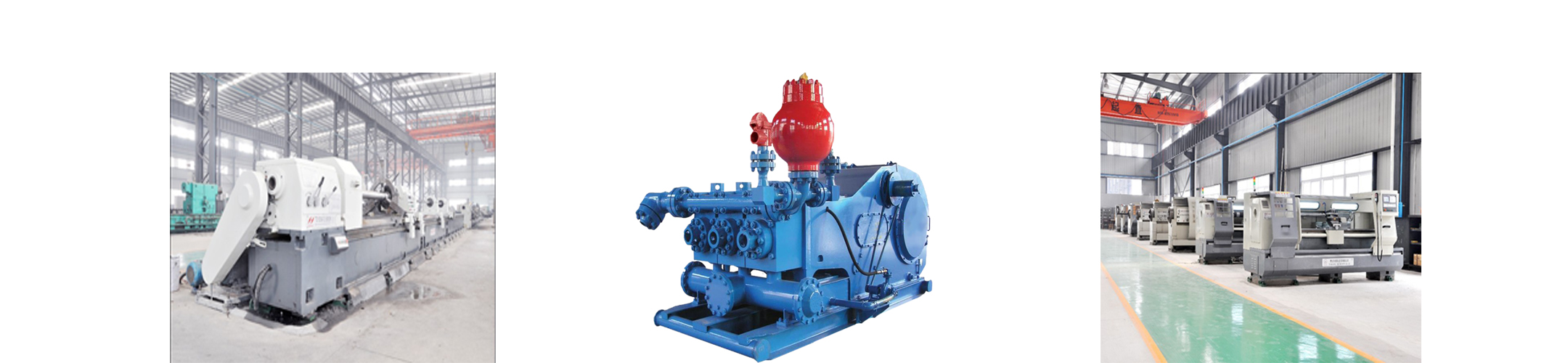
Cavitation is one of the most destructive phenomena that can occur within a triplex mud pump system. It creates intense mechanical stress, erodes fluid end components, and can lead to immediate loss of circulation. For operators of the F series mud pump, understanding the root causes of cavitation is the first step toward maintaining a reliable drilling fluid circulation system. By optimizing the suction conditions and ensuring proper pump maintenance, you can protect your oil drilling equipment from these microscopic yet powerful implosions.
Figure 1: Proper Suction Line Setup Prevents Destructive Mud Pump Cavitation
In simple terms, mud pump cavitation occurs when the pressure in the suction line drops below the vapor pressure of the drilling fluid. This causes vapor bubbles to form. When these bubbles move into the higher-pressure region of the pump chamber, they implode with enough force to pit and erode metal surfaces. In an F series mud pump, cavitation often manifests as a distinctive hammering sound and erratic discharge pressure. If left unaddressed, it can destroy liners, pistons, and even the expensive fluid modules within a short period of oil drilling operation.
The most common cause of cavitation in a triplex mud pump is a restricted or improperly sized suction line. If the suction pipe is too small, too long, or contains too many bends, the frictional pressure drop increases, leading to cavitation. Additionally, high-density or high-viscosity drilling fluids require more energy to move into the pump. When utilizing an F series mud pump for heavy-mud applications, it is critical to ensure that the Net Positive Suction Head Available (NPSHA) exceeds the pump's requirements. Neglecting suction hydraulics is a primary reason for premature oil rig equipment failure.
To prevent cavitation, many modern rig configurations utilize a centrifugal "charge pump" to provide positive pressure to the mud pump suction. This ensures that the pistons are always fully charged with fluid, even at high stroke rates. For an F series mud pump, a properly sized charge pump acts as a safeguard against atmospheric pressure drops and high-altitude operations. In petroleum exploration, where consistency is key, the synergy between the main triplex pump and its charging system is a cornerstone of operational stability and mud pump performance.
Low pressure isn't the only cause of cavitation. Air leaks in the suction manifold can introduce bubbles that mimic the effects of cavitation. In the F series mud pump, worn valve springs or improperly seated valves can also cause intake issues that trigger cavitation-like symptoms. Regular maintenance and the use of high-quality API 7K standards valves and seats are essential. A rigorous inspection schedule for all suction-side gaskets and seals helps ensure that the triplex mud pump remains air-tight and cavitation-free throughout the drilling program.
The economic impact of mud pump cavitation is significant. Beyond the cost of replacement parts, the frequent downtime required to "re-pack" or repair a damaged fluid end erodes the profitability of a project. By investing in cavitation prevention—such as larger suction lines and pulsation dampeners—drilling contractors can achieve a much higher ROI for their oil drilling rig. The F series mud pump is designed to be highly resistant to these forces when properly configured, making it a cost-effective choice for long-term service in demanding environments.
In conclusion, mud pump cavitation is a preventable problem that requires a proactive approach to hydraulic design and rig maintenance. By understanding the relationship between fluid properties, suction pressure, and pump mechanics, you can ensure your F series mud pump operates at peak efficiency. At Rig-Pump, we provide the technical expertise and high-performance components needed to build a stable, durable circulation system. Visit us today to explore our full range of mud pump solutions and expert support services.


